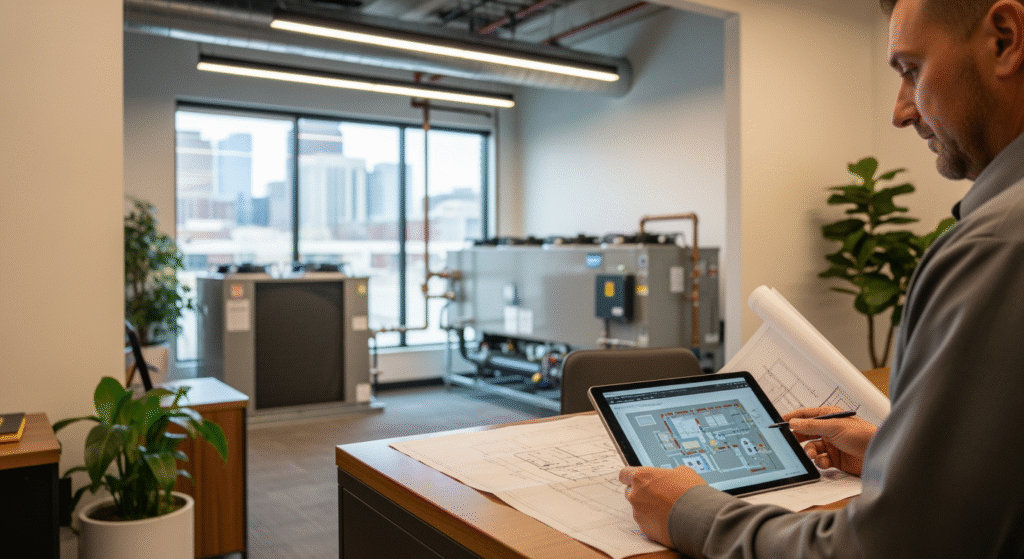
If you manage a storefront, office building, or industrial space in Denver, you already know heating and cooling are more than a utility line item — they affect tenant comfort, operations, and your bottom line. I’ve written a lot about commercial hvac in Denver, CO, and over the years I’ve seen the same priorities surface: reliability, energy efficiency, indoor air quality, and fast response when something goes wrong. When you’re planning upgrades or repairs, it helps to know the big-picture trends from national energy experts and how they relate to the local market, so I also recommend checking guidance from the U.S. Department of Energy for buildings and efficiency best practices https://www.energy.gov/.
Why commercial HVAC matters in Denver
Denver’s climate throws a few unique demands at commercial HVAC systems. Winters are cold and dry, while sunny days and the city’s high altitude can create surprisingly warm conditions in shoulder seasons. That flip between heating and cooling across the year means commercial systems must be flexible, responsive, and sized correctly for the building’s layout and occupancy patterns. Add in older buildings in neighborhoods like LoDo, Capitol Hill, and Five Points alongside newer construction in RiNo and Central Park, and you have a mix of systems from rooftop units to VRF and packaged boilers.
Beyond comfort, HVAC is one of the major drivers of operational costs. Efficient systems lower monthly bills and reduce peak demand charges that can bite during summer. They also impact indoor air quality, which influences employee productivity, tenant retention, and compliance with evolving building codes. If you manage multiple properties or a single large facility in the city, treating HVAC as a strategic asset instead of a reactive expense pays off quickly.
Common commercial HVAC challenges in the city
From my work with property managers and building owners, the most common issues in Denver commercial properties include aging equipment, mismatched components, poor controls, and seasonal maintenance backlogs. Older rooftop units may be undersized for current occupancy; chillers may have degraded efficiency; and simple things like clogged drains or failed condensate pumps can cascade into downtime and costly emergency repairs.
Another common problem is indoor air quality. In office buildings and retail spaces, elevated CO2 levels, dust, and inadequate filtration can cause complaints and raise cleaning costs. As many businesses continue to focus on healthier indoor environments, upgrading filtration and ventilation strategies has moved from optional to essential.
Trending technologies to watch
Electrification and heat pumps
Electrification is a big trend nationwide and it’s hitting commercial HVAC too. Modern commercial heat pumps can provide efficient heating and cooling without relying on fossil fuel boilers. In Denver’s climate, cold-climate heat pumps and hybrid systems can dramatically reduce fuel use and carbon emissions while keeping buildings comfortable through wide temperature swings.
Smart controls and building automation
Smart thermostats and building automation systems (BAS) are no longer luxury items. They give you visibility into runtime, energy consumption, and fault alerts. A BAS that ties together rooftop units, VAV boxes, and access scheduling can recover comfort while trimming energy use. These systems also support demand response programs, which can yield credits during peak summer events.
Indoor air quality and advanced filtration
IAQ upgrades are trending upward because they matter to tenants and staff. Higher-efficiency filters, MERV 13+ options where feasible, UV-C for coil cleaning, and ventilation strategies that bring more outdoor air into the space can reduce airborne contaminants. These investments also increase occupant confidence, which is crucial for leasing and retention in busy areas around Cherry Creek and the central business district.
Real savings and local statistics
Commercial buildings account for a significant share of energy consumption, and improvements in HVAC systems are a primary route to cost savings. Nationally, buildings consume a large portion of energy used in the U.S., and many efficiency upgrades pay back in just a few years. Applying those gains locally in Denver often means lower utility bills and better operational predictability. When you factor in local utility incentives and potential rebates for efficient equipment, the economics look even better for owners who prioritize upgrades.
On top of direct energy savings, modern systems reduce downtime and repair costs. Predictive maintenance and remote monitoring minimize emergency service calls by addressing issues before they escalate. That saves money and prevents tenant complaints that can damage your reputation in neighborhoods where competition for tenants is strong.
Maintenance checklist to prevent emergencies
Routine maintenance is the most reliable way to extend equipment life and avoid unexpected failures. Below is a practical checklist I use when auditing a building’s commercial HVAC health. These items are straightforward and often reduce emergency calls by addressing problems early.
- Inspect and replace filters on a scheduled basis and document changes to track performance.
- Check condensate drains and pans for blockages to prevent overflow and water damage.
- Verify thermostat calibration and schedules for occupied and unoccupied hours.
- Clean coils, belts, and fans at least annually and lubricate moving parts as needed.
Retrofit roadmap for midlife systems
If you’re managing equipment that’s 10–20 years old, a staged retrofit approach balances upfront cost with long-term savings. Here’s a straightforward roadmap I recommend for building owners who want measurable ROI without full replacement all at once.
- Start with controls. Add a modern BAS or upgrade to networked thermostats to gain immediate efficiency and visibility.
- Improve filtration and ventilation. This protects equipment and improves tenant health while often qualifying you for local incentives.
- Replace the worst-performing units. Target rooftop units or boilers that have high runtime or low efficiency for prioritized replacement.
- Plan for electrification. When replacing major systems, consider heat pumps or hybrid options to reduce future fuel dependence.
How the right service model changes outcomes
The difference between a reactive vendor and a proactive partner is measurable. A proactive service model combines scheduled maintenance, remote monitoring, and a clear capital plan for replacements. With that approach, you reduce emergency premiums, extend equipment life, and create an actionable budget for upgrades in high-traffic neighborhoods like RiNo or the downtown core.
Good partners also understand building-specific constraints: rooftop weight limits, historic building envelopes in Capitol Hill, and the need to schedule noisy work outside of business hours near restaurants and retail. They coordinate with property managers to minimize disruption, provide transparent pricing, and explain tradeoffs so you can make decisions with confidence.
Actionable steps to get started this month
If you want to move from planning to action, here are simple next steps that fit most budgets and yield noticeable improvements within 30–90 days.
- Schedule an on-site system audit to establish a baseline for efficiency and reliability. The audit should include equipment age, runtime hours, and control strategies.
- Implement low-cost fixes first: replace filters, clear drains, and correct thermostat schedules. These often improve comfort immediately.
- Aggregate your utility and runtime data to identify the largest energy users and seasonal patterns. Use that data to prioritize upgrades.
- Ask about incentive programs. Local utilities and state programs sometimes offer rebates for high-efficiency equipment and controls upgrades.
Common questions I hear from building owners
Owners and property managers ask the same useful questions when we evaluate systems together: How long will this equipment last? What will it cost to operate? When should I replace rather than repair? My answers are succinct: get accurate runtime data, evaluate lifecycle costs (not just sticker price), and consider tenant disruption when planning big replacements. Modern equipment with better controls often reduces overall lifecycle costs even when initial price is higher.
Another frequent question is about indoor air quality upgrades and whether filters alone are enough. Filters help, but the best approach combines filtration, ventilation strategy, humidity control, and targeted coil and duct cleaning. That layered approach yields better results than any single measure.
Next steps and how to reach a local expert
If you want help turning a plan into action in Denver, a local expert can provide a site-specific audit, retrofit plan, and maintenance program that fits your properties and budget. The right partner will give you a clear schedule, transparent pricing, and a roadmap for upgrades that align with local codes and tenant expectations. For owners in neighborhoods across the city, that means less disruption, lower bills, and happier occupants.
When you’re ready to move forward, contact Nextech NA to schedule an assessment or get a proposal for upgrades and ongoing service. Their team specializes in commercial HVAC and refrigeration solutions in Denver and can outline steps that deliver measurable savings and improved comfort.